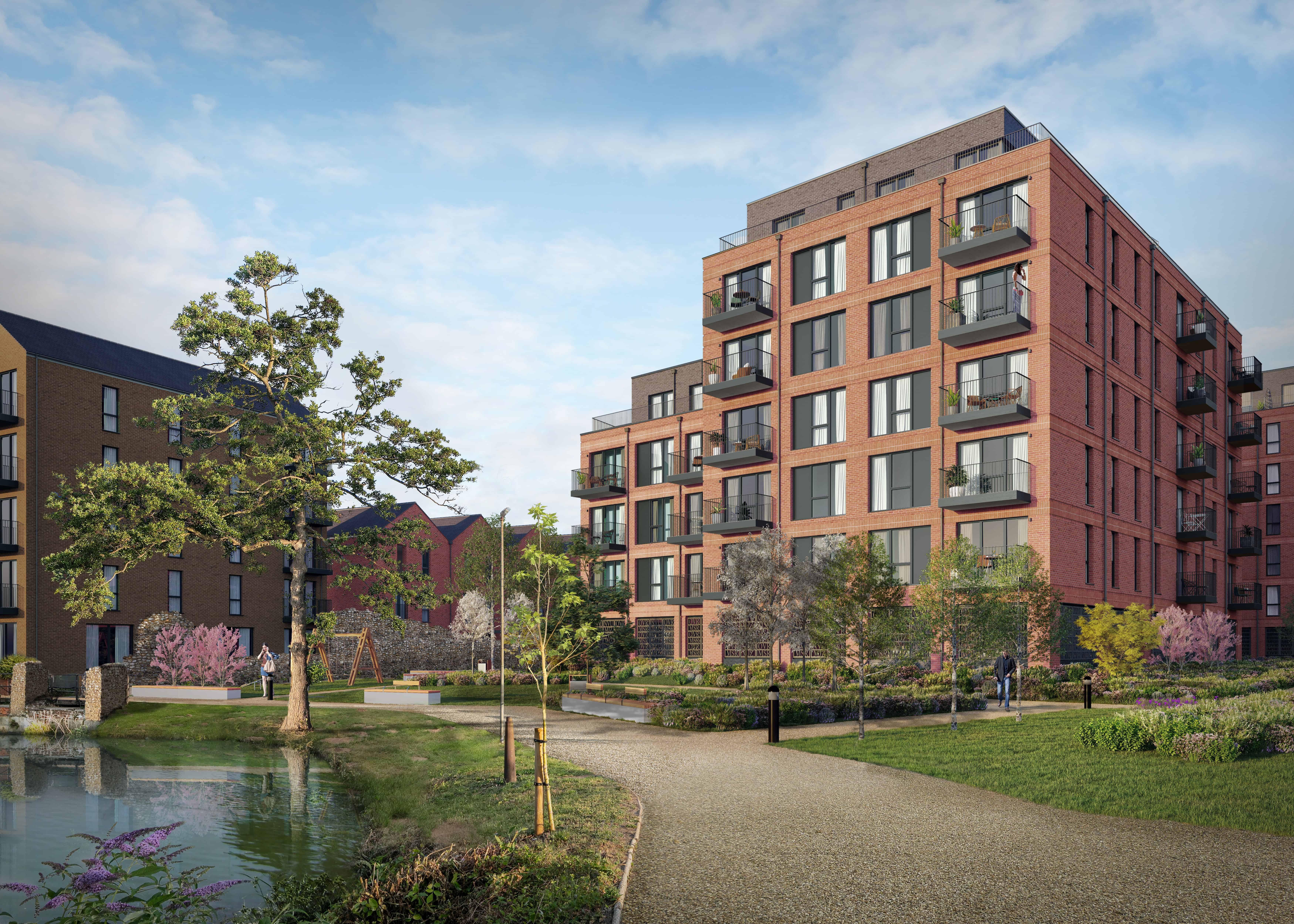
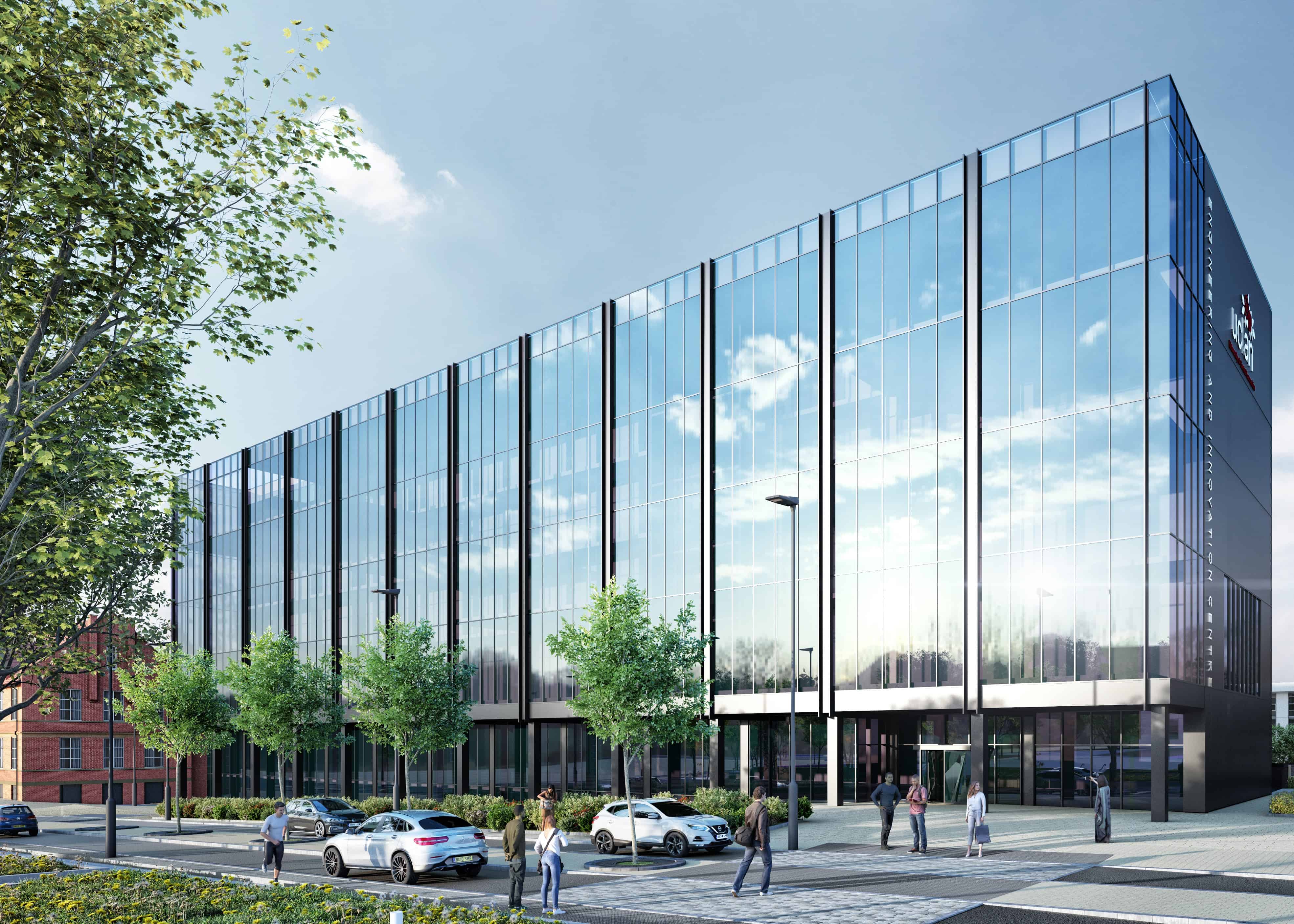
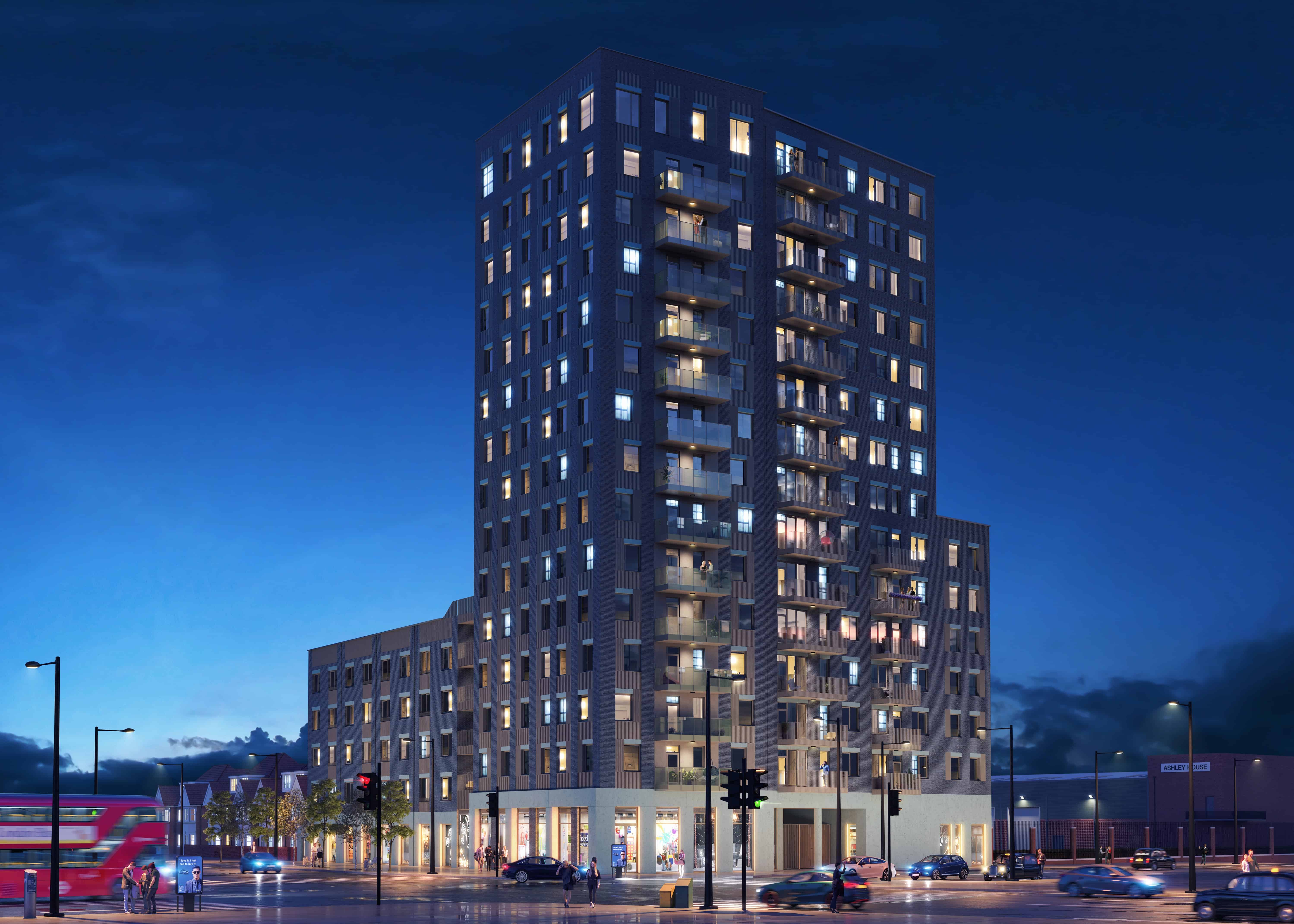
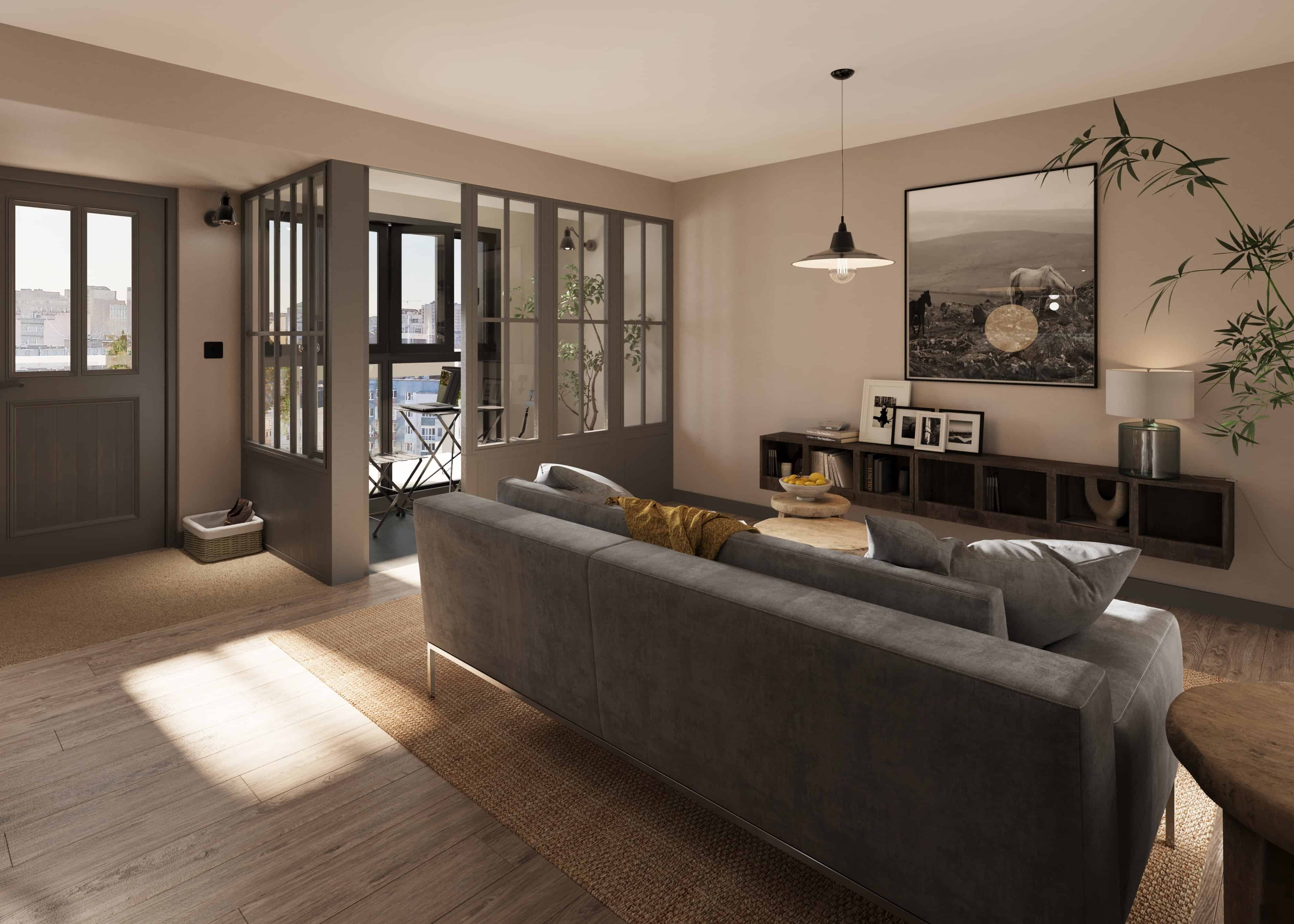
You need to find the right 3D architectural rendering services provider who understands your pressures, gets behind you, and delivers 3D architectural renders that convert leads into sales. We want your imagery to work hard for you, give you value for money and compete with the very best. As specialists, we aim to make the 3D architectural rendering process simple so that you can concentrate on the next big thing.
Over the last 20 years, our clients have sold more than £16bn of property and products using our Architectural CGI images and animations.
We work hard for your success by ensuring:
Working with your 3D architectural rendering services provider should be hassle free allowing you to focus on other things.
See how we have helped clients UCLAN, PH Property Holdings and Marshalls below.
"It was absolutely brilliant working with Image Foundry. They were really straight forward, very personable and patient, which they needed to be! It takes a lot of time to get input and sign-off on a project like this, so we very much appreciated their time and guidance. When they started the project they came to meet our chief operating officer and were clear about expectations so it was good to know we were in safe hands. The images are absolutely stunning – way above what we could have expected them to be. We have already sent them out on social media and via press release, and we will be using them anywhere we speak about the Masterplan. Internally they have sparked a lot of enthusiasm for the final project - it’s had a really positive impact on the culture."

"We pride ourselves on building the highest quality homes in the very best locations for the most discerning clients. It also means we have exceptionally high expectations when it comes to our CGI. Our relationship with Image Foundry is excellent; They will bend-over-backwards to ensure we achieve the required quality. The turnaround is good, their mood-boards help us to visualise the result before it’s rendered and their photorealistic interior CGIs are superb."

"We asked Image Foundry to help with our new Landscape Protection brochure, which features bollards, rail systems, seating, planters and cycle stands that combine attractive aesthetics with protection from criminal or terror attack. Image Foundry created four landscape renders of a public square, football stadium, retail park and airport that demonstrate to customers how our landscape protection products enrich their environment whilst also working to protect it. I would recommend working with Image Foundry: the quality of their renders was really good. Together, we worked closely with Marshalls’ technical experts to ensure the positioning of the products was accurate and the landscapes have been really well received internally."
3D architectural rendering is the process of producing photorealistic CGI images of a building or development from architectural drawings, plans, or 3D models – before construction begins. Image Foundry produces architectural renders for property developers, housing associations, and commercial developers who need to market, gain planning, or for consultation before it’s built. Also known as architectural CGI, architectural visualisation, or archviz.
Image Foundry produces the full range of exterior architectural CGI: house type renders, street scene views, aerial and bird’s eye perspectives, site plan visualisations, photo montages, and verified views. Alongside CGI stills, the studio produces fly-through animations, cinematic sequences, and interactive 360° site tours. Everything needed to market a development from planning stage through to sales completion.
Yes. Image Foundry produces photo montages and verified views that meet planning authority requirements – showing the proposed development accurately within its existing surroundings. These are produced in line with the relevant technical guidelines and can be used to support planning applications and public consultation materials.
Image Foundry can begin producing architectural CGI from concept drawings and indicative layouts – planning permission isn’t required to get started. Many developers commission CGI at pre-application stage to support the planning process, then update the images as specifications are confirmed. Starting early means your marketing material is ready to launch the moment you get approval.
Turnaround depends on the number of views, the complexity of the scheme, and the completeness of your drawings at briefing. Image Foundry has delivered full exterior CGI suites within 10 working days for time-sensitive launches. The most useful starting point is your launch or planning submission date – the team will plan the production schedule around it.
The starting point is your architectural drawings – floor plans, elevations, site layout, and materials schedule. 3D CAD files (Revit, ArchiCAD, SketchUp) are useful if you have them but not essential. Image Foundry builds the 3D model from your drawings, so the more detail your specifications include on materials, landscaping, and surrounding context, the more accurate the first renders will be.
Most architectural CGI studios focus on accuracy and speed – producing renders that correctly represent the building. Image Foundry focuses on persuasion: CGI built around what your buyers respond to, not just what the development looks like. That’s why clients like Rippon Homes saw a 325% increase in home completions – the imagery was designed to move buyers, not just show them a building.
Yes. Image Foundry works across the full spectrum of residential development – private sale, shared ownership, affordable, and mixed-tenure schemes. Sage Housing is among the housing associations that have commissioned CGI from Image Foundry for development marketing. The approach and quality of output is the same regardless of the tenure mix.
Yes. Because Image Foundry retains the 3D model from your project, amendments to materials, landscaping, or massing are made to the model and re-rendered – significantly faster and more cost-effective than starting again. It’s worth discussing the likely amendment process at briefing stage so the workflow can be structured accordingly.


